Projects
Small Impact
Designing small without shrinking ambition
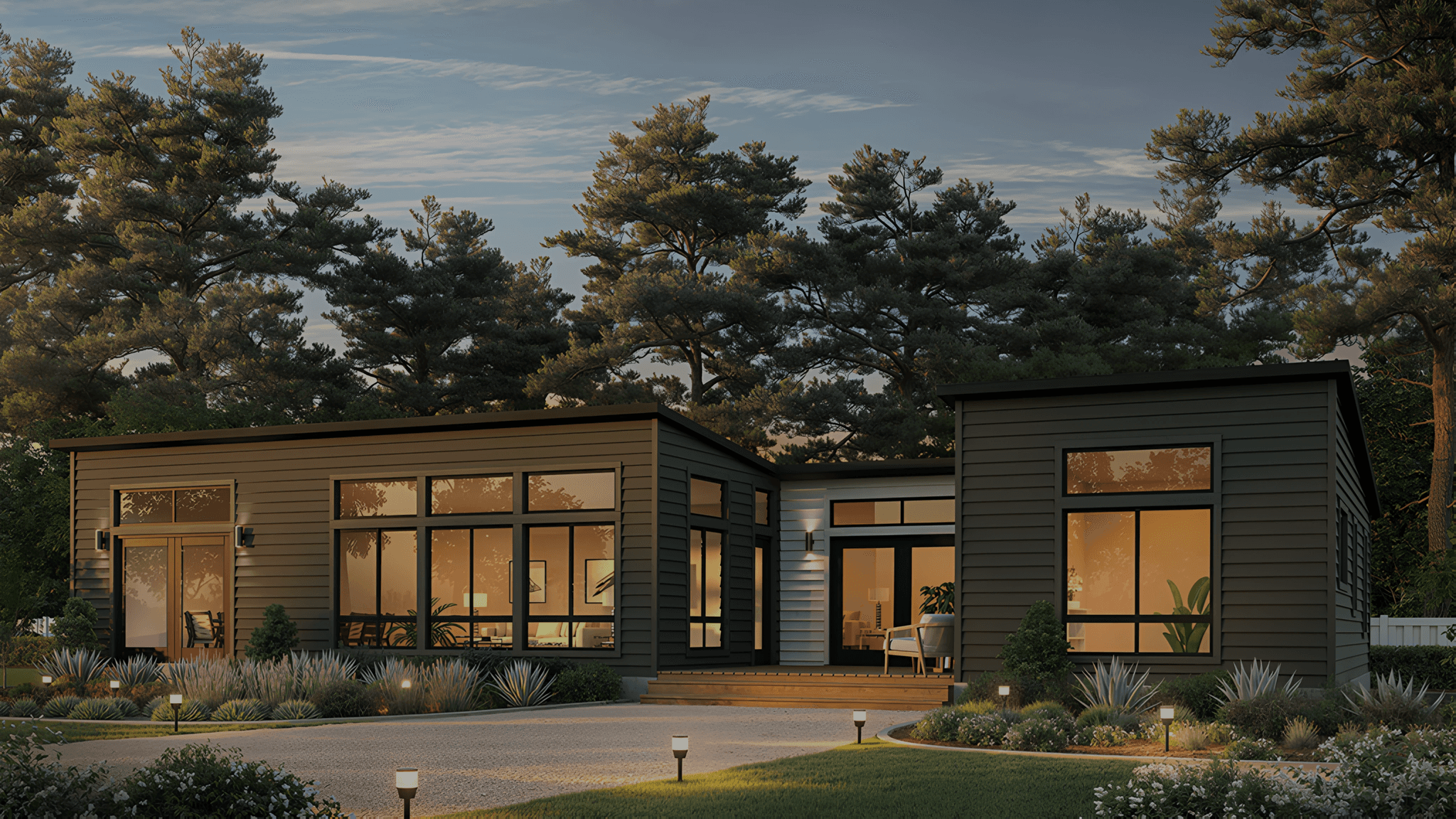
Smaller homes are often discussed in terms of limitation: less space, fewer possibilities, tighter choices. We see them differently. Small Impact emerged from a residential brief that asked a more interesting question — what happens when reduced square metres are treated not as a compromise, but as a catalyst for better design?
That shift in mindset changed the project from the very beginning.
Precision over excess
Because compact spaces reveal every awkward decision, the plan had to work with unusual discipline. Circulation was reduced to what was necessary. Storage was integrated rather than appended. Openings were positioned for both light and balance. The aim was not to make the home feel bigger through tricks, but to make it feel complete through proportion and sequence.
This is where architecture and interior thinking had to move together. The success of the project depended just as much on built-in elements, furniture placement, and visual calm as it did on walls and openings.
Space that feels composed
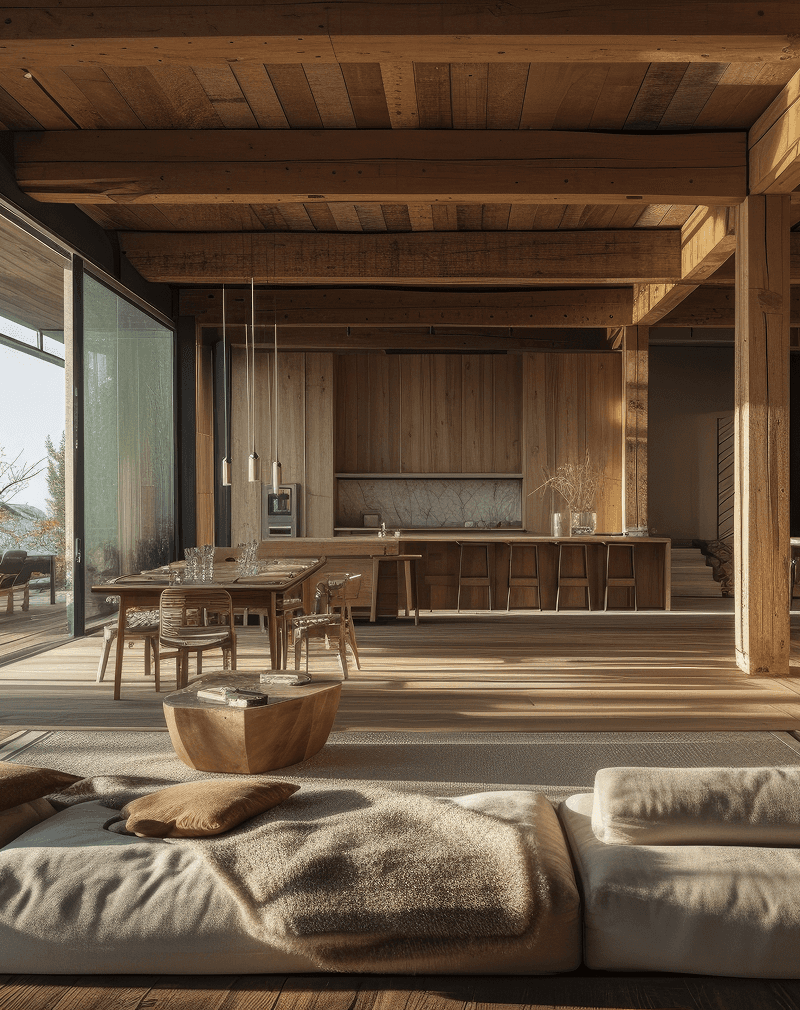
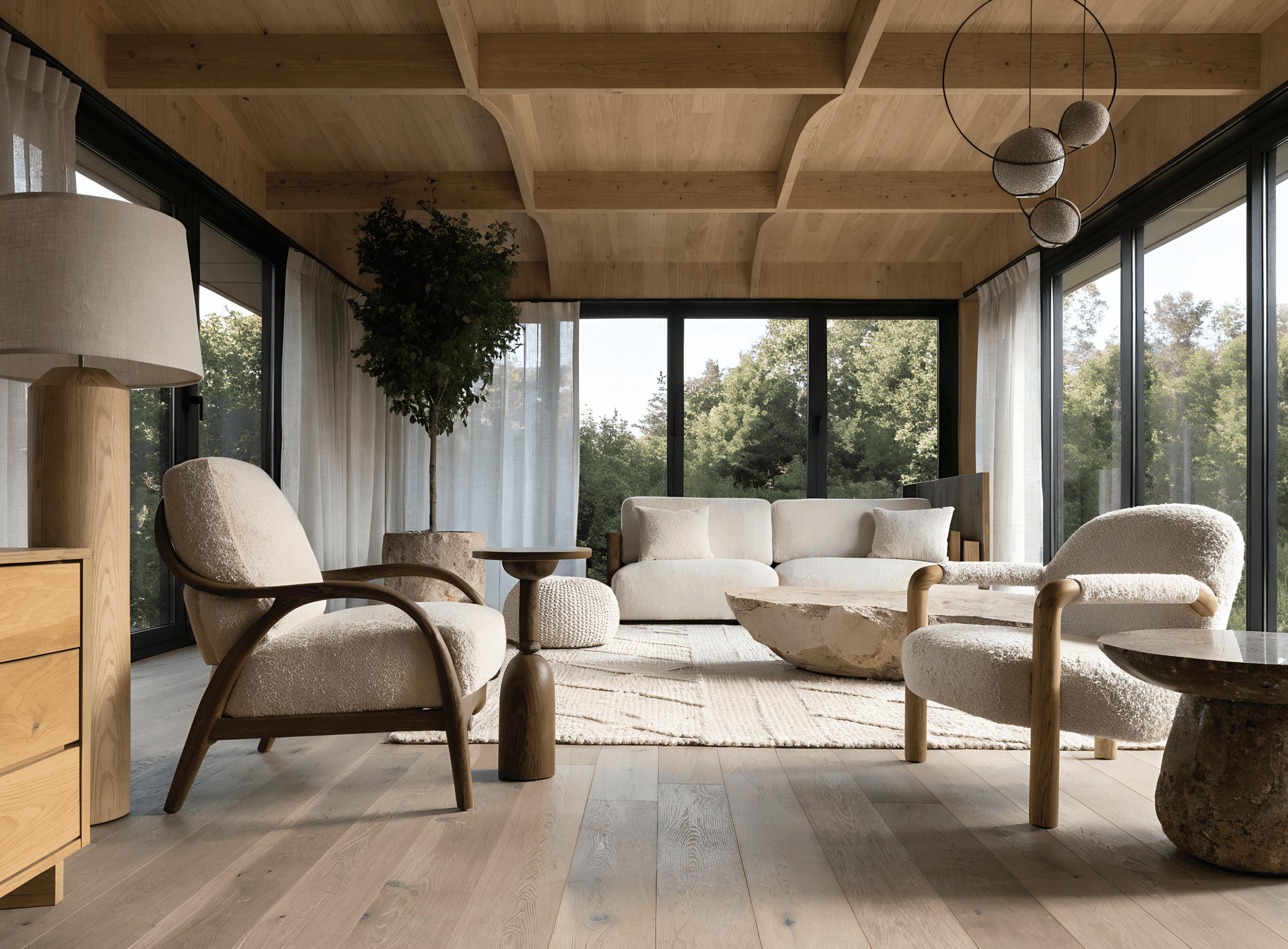
The final result is a home that feels measured rather than minimal. There is warmth, but no clutter. There is openness, but also privacy. Daylight plays a strong role in making the interior feel generous, while the restrained material palette keeps the space visually steady.
Why small homes matter now
Projects like Small Impact are increasingly relevant, not only because of affordability or density, but because they ask design to be more intelligent. They require discipline. They reward precision. And when they work, they prove that a home does not need excess to feel meaningful.